JP Karsenty & Associés IP Newsletter, June 2024

The JP Karsenty & Associés Intellectual Property Newsletter, June 2024 written by Pierre Trusson reviews the following news:

Fairness of Evidence: more flexibility in obtaining it… but not in presenting it to the judge in intellectual property matters.

The French Supreme Court made a major change in its case law last December, accepting the production of evidence obtained by disloyal means, such as surreptitious recordings.

The long-term consequences, which are still difficult to assess given their scope, are necessarily going to have an impact in the field of intellectual property, where specific provisions are in force to strengthen the requirement for fairness.

FOCUS IP reviews this reversal, analysing the particularly enlightening grounds of the Supreme Court and point out that loyalty to the judge remains imperative.

Read the full newsletter:

English: Newsletter, June 2024, Intellectual Property

Français: Newsletter, Juin 2024, Propriete Intellectuelle


See more information on French member firm JP Karsenty.


IP Newsletter June 2024

Legal Network International’s update on global IP and trade mark news from the member firms of the Legal Network International (LNI).

Download now

LNI IP Newsletter June 2024

LNI Malta Conference Spotlights Innovation and Growth

Legal Network International recently held its Spring Conference in Malta. The event was packed with insightful presentations, panel discussions, and networking opportunities.

Kicking off the conference was the keynote speech “Innovation in 2024” by Prof. Joshua Ellul. He captivated attendees with his visionary look at emerging trends and technologies poised to redefine the future.

Another conference theme was the rapid rise of artificial intelligence. Dr. Gege Gatt delivered an illuminating presentation on “Innovation & AI,” examining AI’s disruptive potential across different industries.

The following session on “AI Regulation and the Legal Profession” sparked a lively debate. The panel including Prof. Alex Grech, Dr. Claudia Borg, Prof. Joshua Ellul, Dr. Jackie Mallia, and Dr. Dylan Seychell, explored the challenges and opportunities of regulating AI.

Malta’s thriving gaming industry took centre stage with the topic “The Evolution of a Global Gaming Industry – A Maltese Perspective.” The panel moderated by Dr. Andrew J. Zammit from GVZH included Corinne Valletta, Ivan Filletti, and Dr. Martina Cilia who offered insights into Malta’s key role and the industry’s future trajectory.

On day two the focus was on developing the LNI Network. During the members-only session, valuable insights emerged for the LNI steering committee to drive the network’s continued expansion.

As the network continues to grow the attendees welcomed presentations from new member firms: Palli Law Firm (New Delhi, India), Estudio Flint Abogados (Peru), Kimara Advocates & Consultants (Uganda) and  further firms who might be joining the network shortly.

The delegates and guests also had time to embrace the rich Maltese culture, and explored Malta’s rich history through activities including a boat tour of the Blue Grotto Caves, visits to Mdina and St. John’s Co-Cathedral, and sampling the local cuisine.

Many thanks to host firm GVZH for their exceptional organisation of this event. LNI looks forward to its next conference hosted by Philippe & Partners, in Brussels this October.

Artificial Intelligence: The impact on the future of litigation

The growing adoption of semi-autonomous software, commonly known as Artificial Intelligence (AI), to support workplace processes is still a divisive topic. For its advocates, AI could be as impactful as the search engine was in the 1990s, and has the potential to completely transform the landscape of how we all work, generating greater efficiency and productivity, and simplifying the most onerous of tasks.

But for all the enthusiasm for what the AI revolution could bring, there are very real concerns about the risks that could come with it. Nowhere is this truer than in litigation where the stakes are so high and the potential consequences could be significant if AI is used in the wrong way.

Senior Paralegal, Phillip Green, of Hamlins provides insight into five key areas of focus of AI from a litigation perspective. He explains how Artificial Intelligence is currently being used by law firms, litigants and the courts, with guidance in the UK provided by the recently published UK AI Judicial Guidelines.

You’ll also find some quick tips for using AI tools.

Read the full article here: Artificial Intelligence: The impact on the future of litigation

See more articles from our UK member firm Hamlins LLP

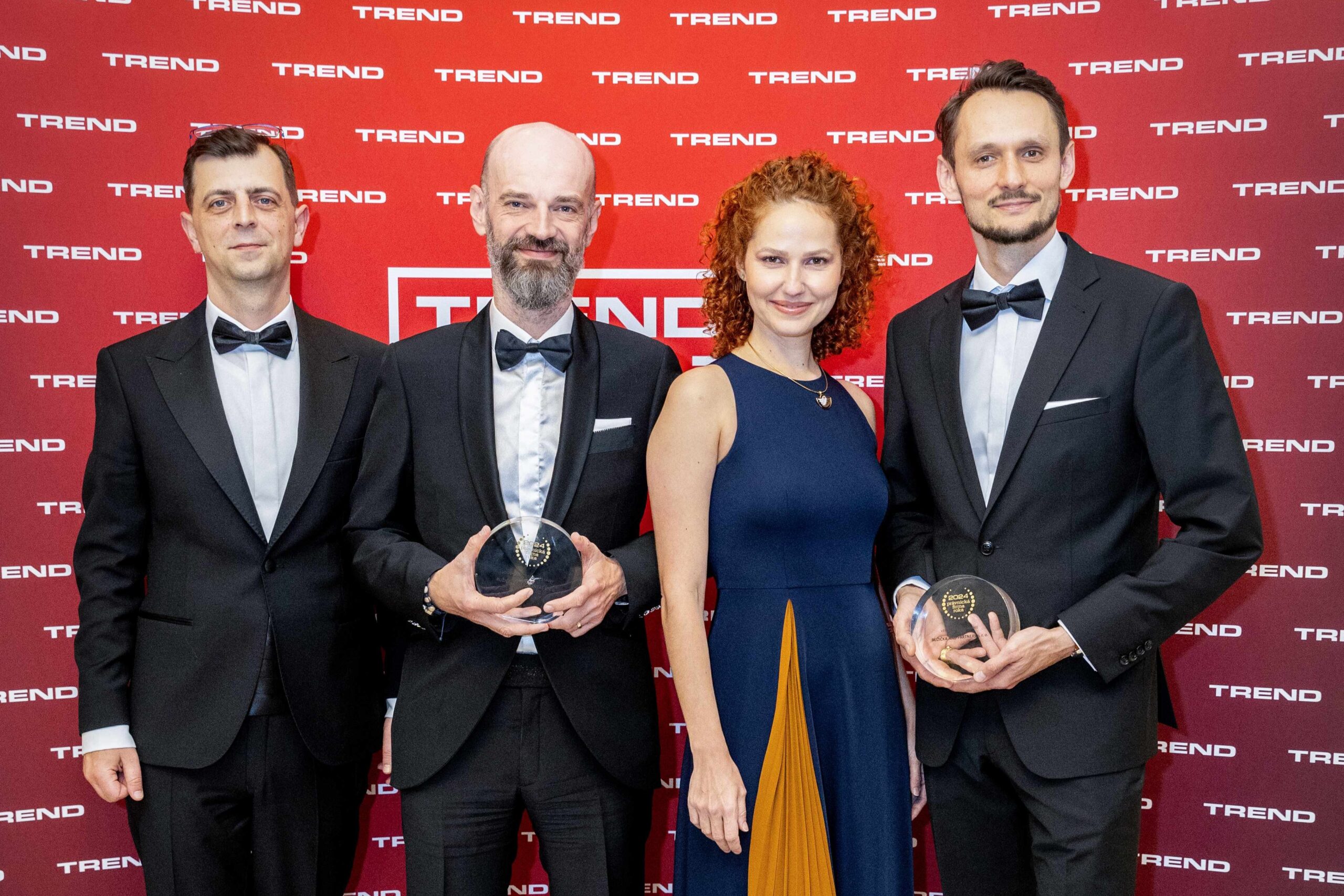
RUŽIČKA AND PARTNERS: Number One in Public Procurement and Logistics and construction

The EPRAVO Group publishing house, in cooperation with the weekly TREND, announced the winners of the 12th Law Firm of the Year 2024 competition. RUŽIČKA AND PARTNERS Law Firm won the Public Procurement category for the twelfth time, having defended its first place in the previous eleven years. In addition, the firm also won in the Logistics and construction category.

Read the full article on Ruzicka News now: Number One in Public Procurement and Logistics and Construction

See more about our Slovakia member RUŽIČKA AND PARTNERS

The Power of a Thumbs-Up: Emojis as Contractual Acceptance

Does an emoji legally demonstrate acceptance of a contract?

Contract terms are confusing, and guidance makes it clear that, where possible, contracts should be written in clear and appropriate terms.

It might be assumed that a contract would only be agreed (or “accepted”) once signed. However, in a recent case, a thumbs up emoji was used in correspondence and the court agreed this confirmed acceptance of a contract.

When negotiating contracts and/or agreeing key terms, individuals and companies should be very careful not to do anything which could constitute acceptance, and should send positive affirming emojis only if terms are agreed.

Katherine David and Thomas Forshaw in Hamlins Commercial Disputes team tell us more: The Power of a Thumbs-Up: Emojis as Contractual Acceptance – Hamlins LLP London